

November 6, 2026 · IDX Building, South Burlington

Annual Education Day 2026 in review

Thank you to everyone who joined us: nursing students, new grads, and nurses with 40+ years in the ED, from across Vermont and New York. Here are the quick hits from each talk and skills station.

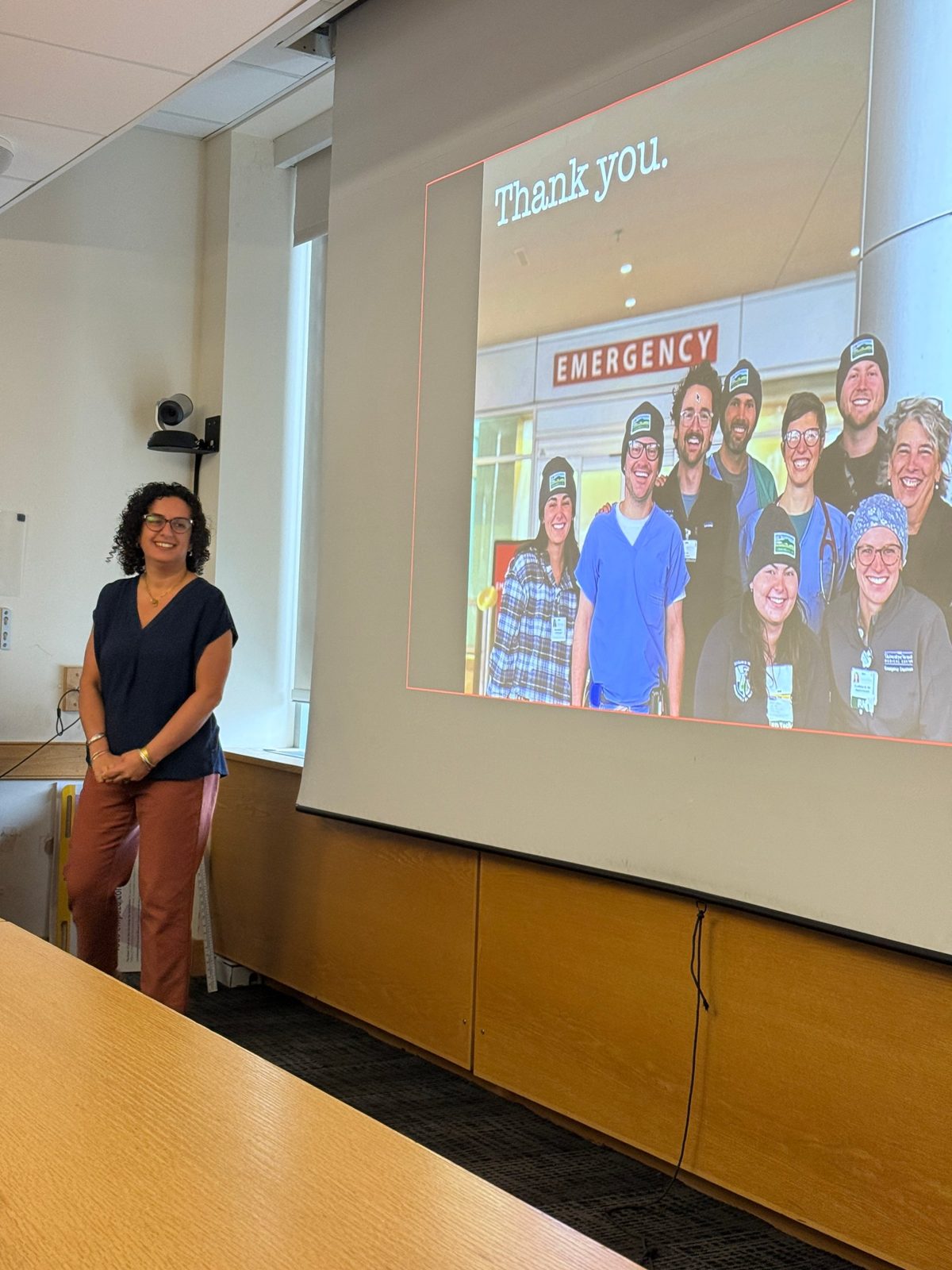
“ED nurses are the safety net of a strained health system, and days like this bring us together for education, recognition, and reminders of why we do this work.”Roz King, PhD, MSN, RN, President
Roz King, President of ENA Vermont State Council, smiling beside a Thank you slide showing a group of emergency department staff
Thank you to our exhibitors

Their support makes Annual Education Day possible

Aerogen Hoshizaki
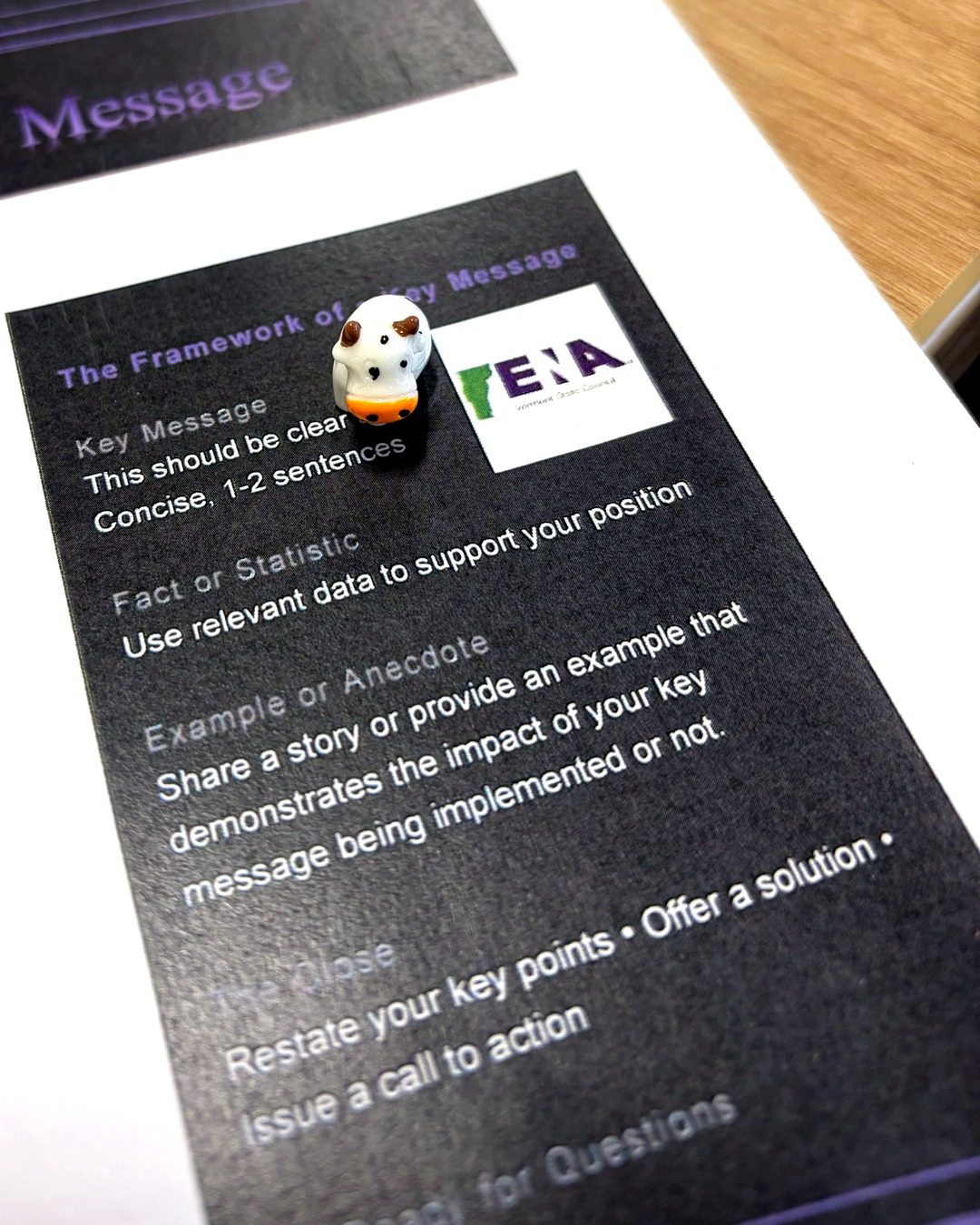
A small cow figurine resting on Liz Couto’s handout, The Framework of a Key Message
Advocacy

Getting a nurse’s voice heard

Liz Couto, BSN, BS, RN, CEN
  • Find your decision maker. Passion only goes so far if you’re talking to someone who can’t act on it. Figure out who can actually help, at the State House or at work.
  • Deliver a clear message. Build an elevator pitch: short, specific, and clear about what you’re asking for.
  • Vermont is where change can happen. Federal workplace violence legislation has stalled for years, so Liz took it to the state. The conversation started in November 2023 and became Act 9, enacted in 2025.
  • Look them up in minutes. legislature.vermont.gov finds any legislator, committee, or bill by name, county, or keyword.
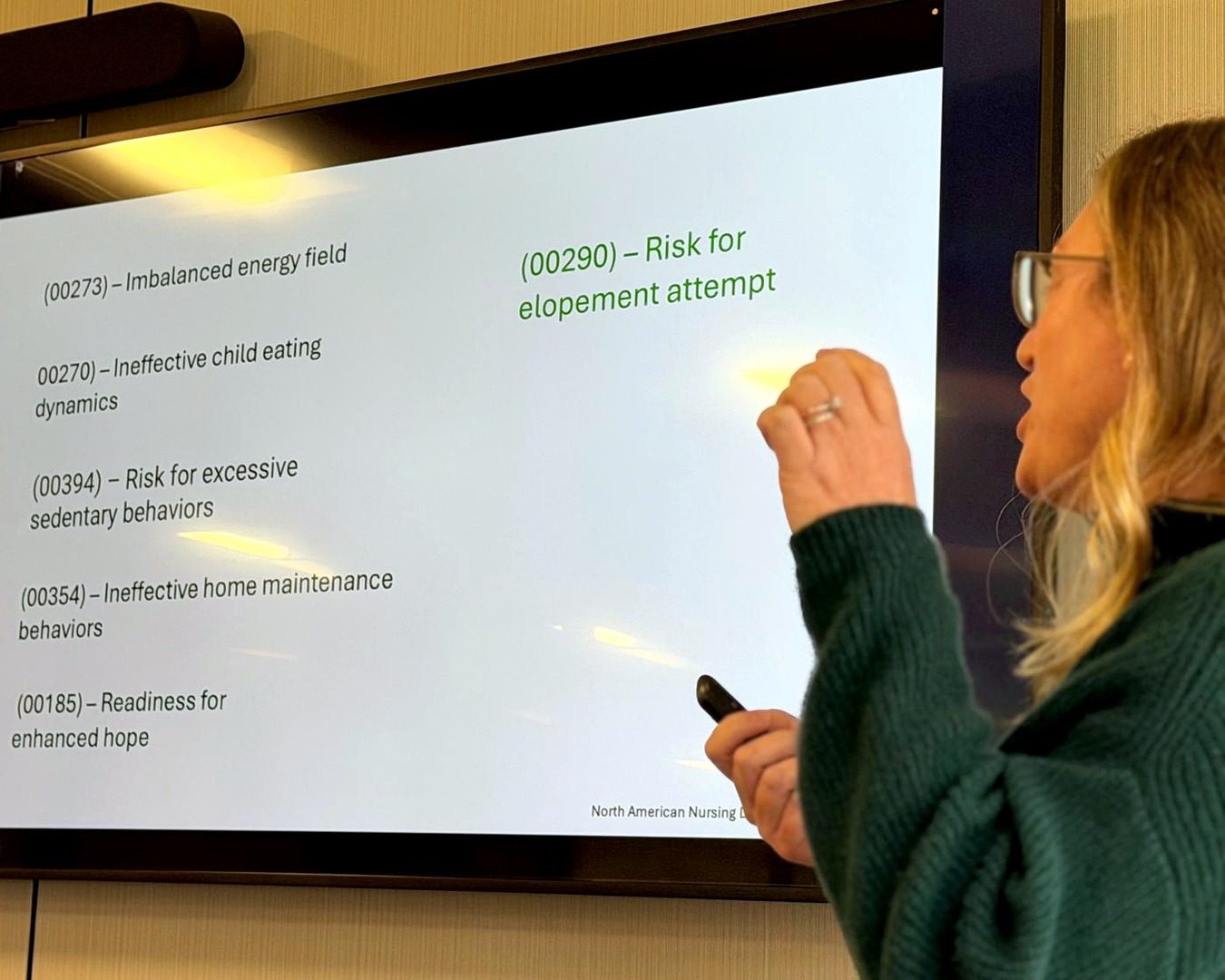
Kacey Boyle presenting beside a slide listing nursing diagnoses
Palliative care

Goals-of-care conversations in the ED

Kacey Boyle, MSPC, RN, CHPN
  • Find the brakes on the conveyor belt. Protocols make ED care fast and consistent, but seriously ill patients and families often don’t know they can step off. A goals-of-care conversation is how they find out.
  • Start with one question. “What’s your understanding of where things are with your illness?”
  • It’s the nursing process. Assess their understanding, name the knowledge gap, plan with the team, educate, and follow up.
  • Write it down. Even a partial conversation belongs in the chart, so the next clinician starts where you left off.
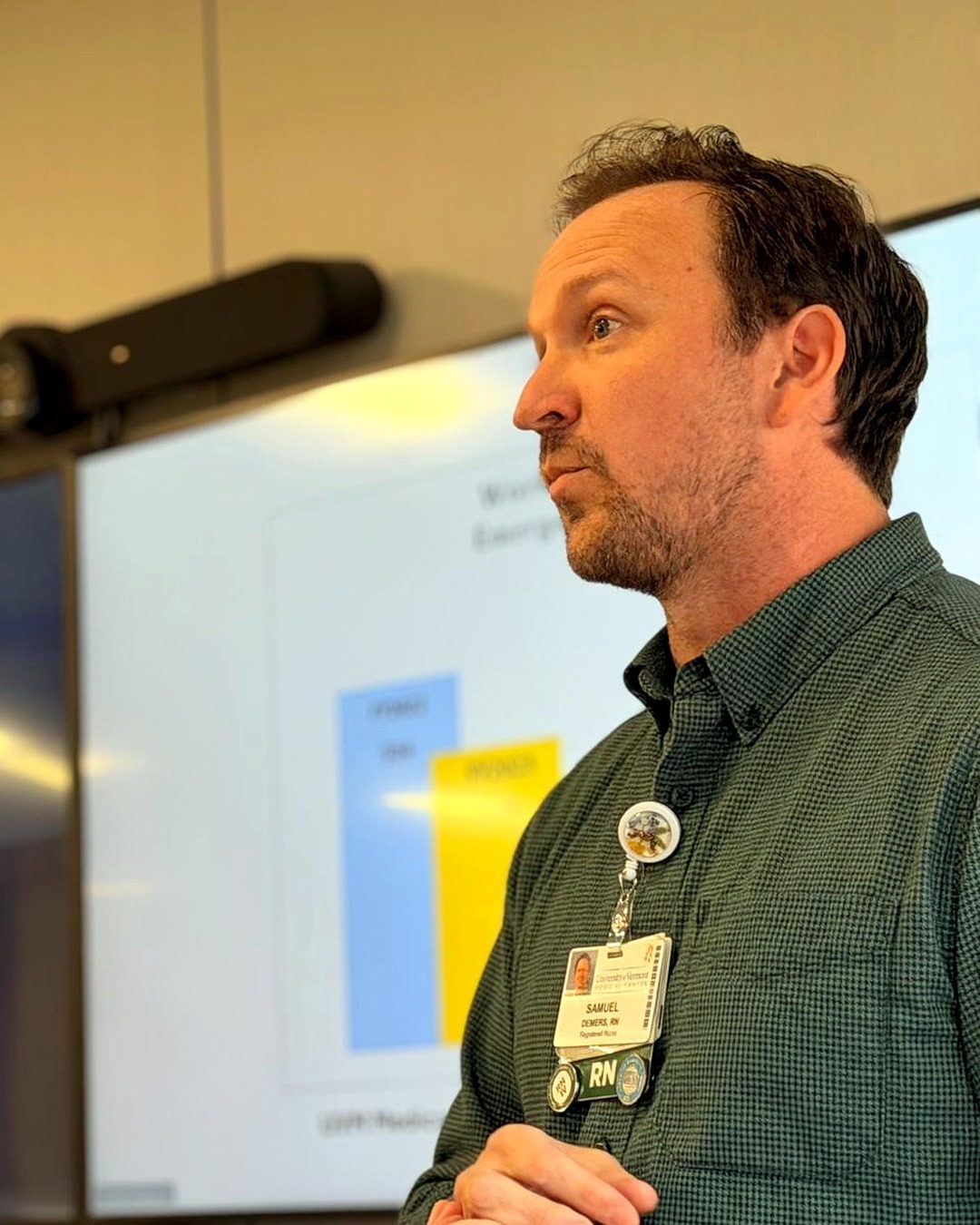
Sam Demers presenting in front of a bar chart slide on workplace violence in the emergency department
Workplace violence

Violence risk screening at triage

Sam Demers, BSN, RN, CEN
  • Standardize the Spidey sense. ED nurses are good at sensing risk, but everyone does it differently and gut feel can carry bias. A standard tool makes the assessment, response, and communication consistent.
  • The evidence says screen. About 25 ED tools have been published and none comes out ahead. ENA and The Joint Commission recommend encounter-specific risk assessment.
  • It’s feasible. Seven EDs, from critical access hospitals to an academic medical center, went live together, and about three in four eligible patients were screened in the first full month.
  • Visibility is a bonus. Staff know a patient’s risk before walking in, and the charge nurse can see the whole department at a glance.

More from ENA: workplace violence resources.

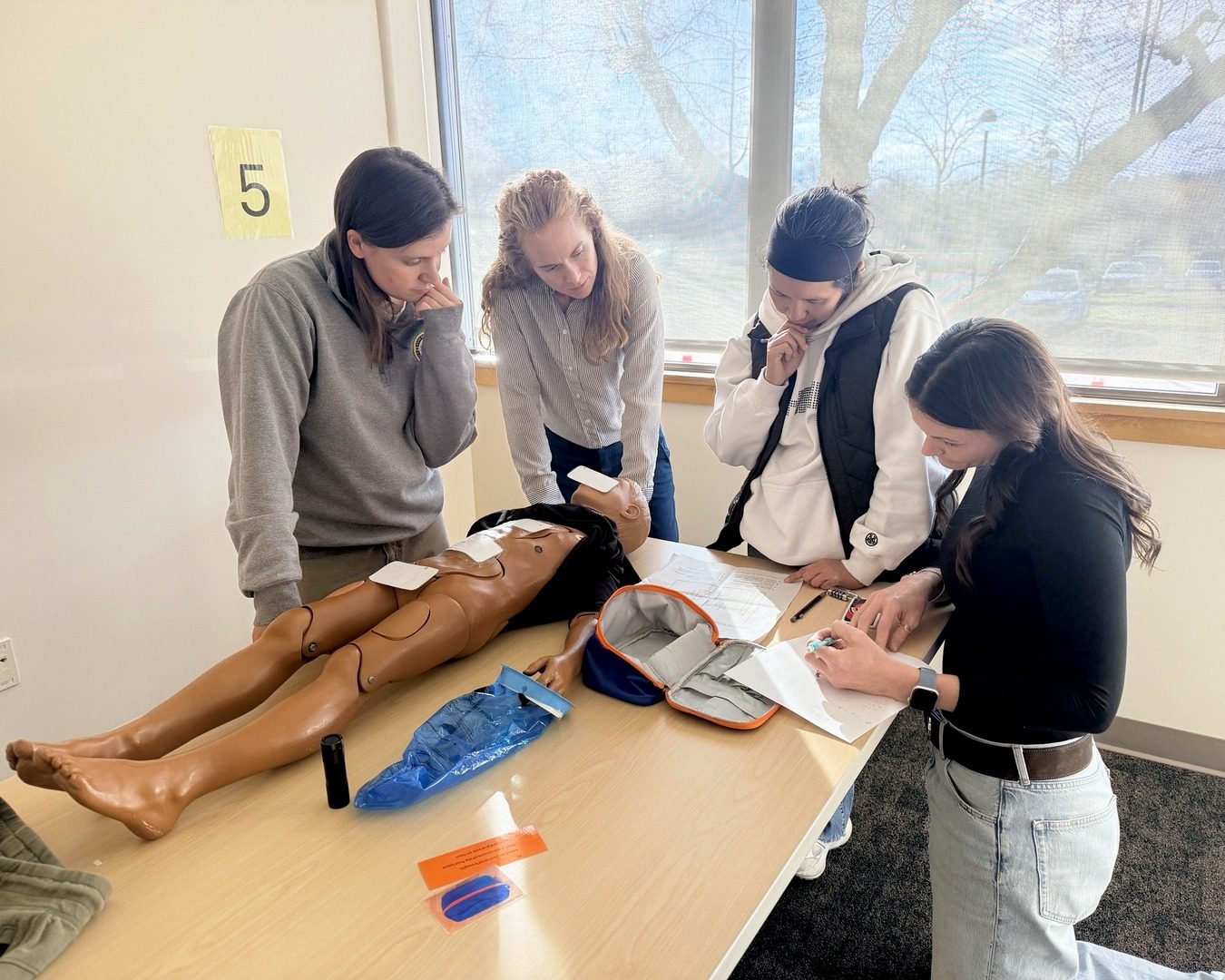
Four attendees gathered around a pediatric manikin, working through clue sheets in the Pediatric Escape Room
Skills station

Pediatric Escape Room: pediatric DKA

Erica Carlson, BSN, RN, CEN, CPEN, and Val Nick, BSN, RN, CEN, CPEN
  • Think DKA in the tired kid. Fatigue, trouble paying attention in school, or new nighttime urination can be the first signs.
  • Watch the brain. In moderate to severe DKA, rapid fluid and electrolyte shifts can cause neuro decline, especially in young children. Assess neuro status closely and bring glucose down slowly.
  • Never bolus insulin, and wait for the potassium. Insulin moves potassium back into the cells, so a child who starts out low can drop further.
  • Call early when transferring. Many smaller hospitals can’t mix two-bag fluids. Talk with the accepting pediatric team early.

Always follow your hospital’s DKA pathway.

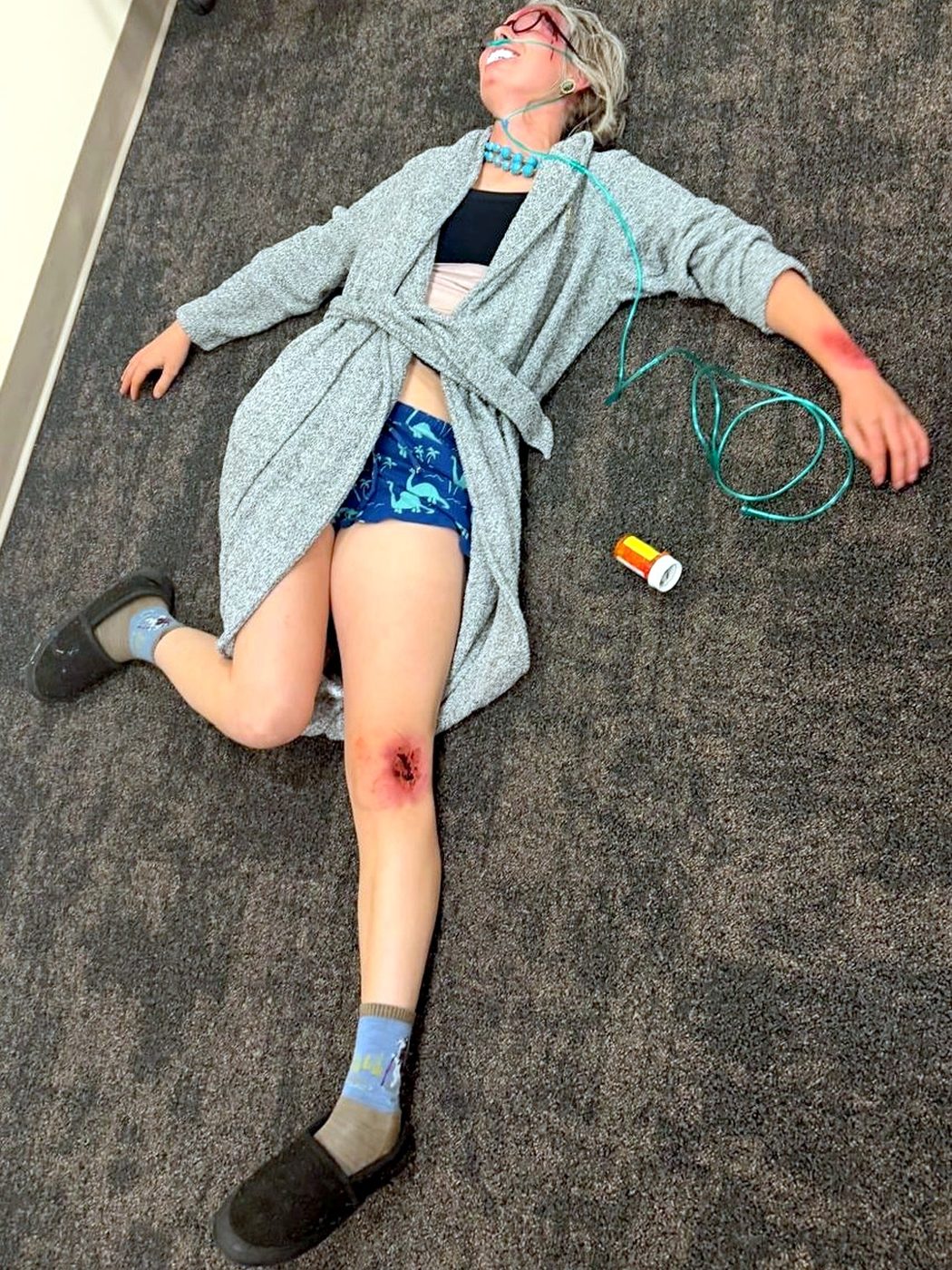
A volunteer in moulage playing an older adult after a fall at home, lying on the floor in a robe and slippers
Skills station

Assessing the geriatric patient

CJ Corddry, BSN, RN, CPHON, TCRN, CEN
  • Falls are the big one. A fall from standing height is the most common way older adults are injured.
  • Chicken or egg? Ask whether the symptoms came from the fall, or whether a medical event caused the fall.
  • Their normal may not be the textbook normal. Beta-blockers, pacemakers, and a history of hypertension can change baseline vital signs, but don’t accept hypoxia as normal.
  • Ask about blood thinners early. Find out what they take and consider reversal, take rib fractures seriously, and keep them warm.
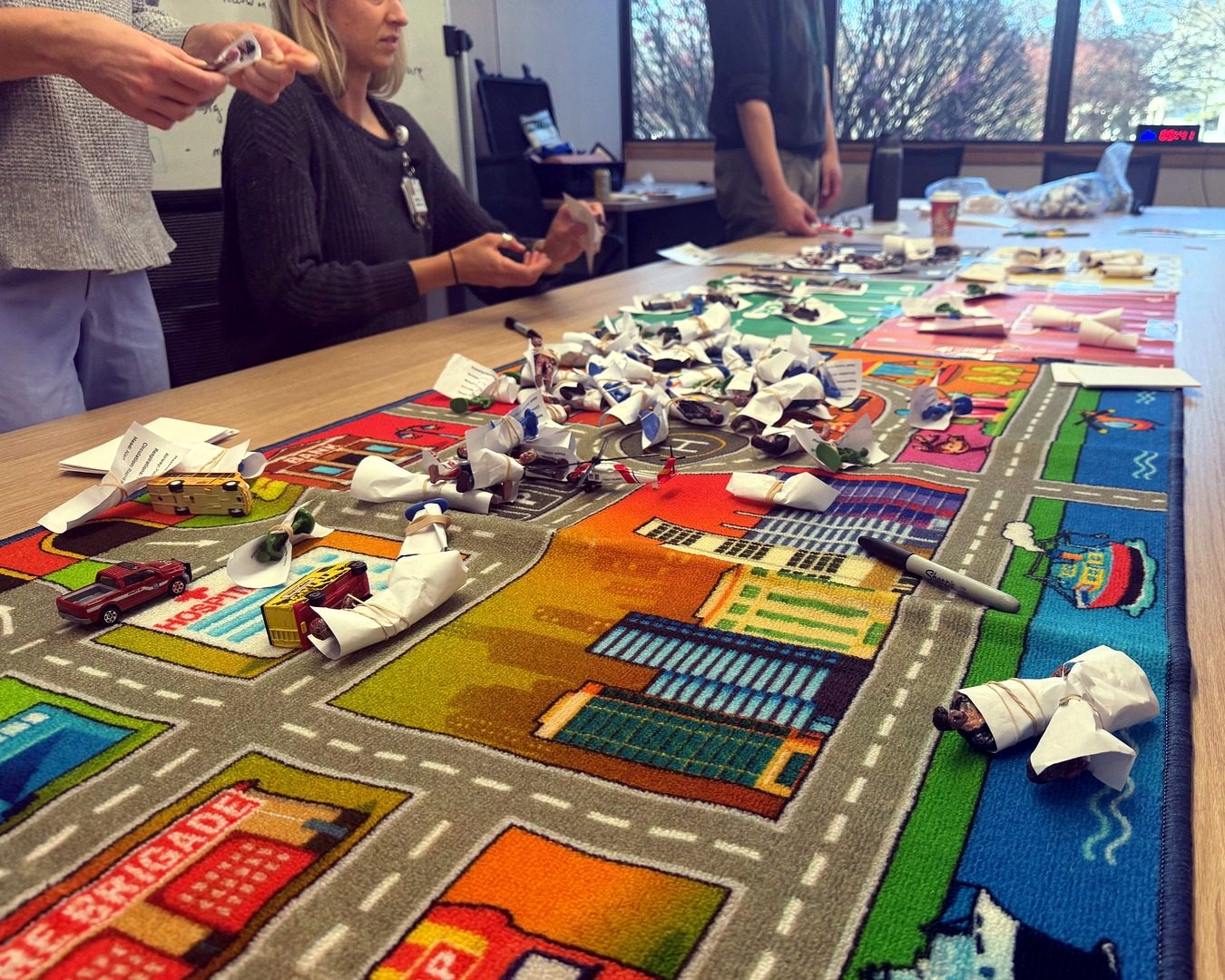
Small patient figures wrapped in triage tags, toy ambulances, and a helicopter spread across a city play mat
Skills station

Tabletop mass casualty incident

Nick Carson, FP-C, CCP-C, CP-C, TP-C, NRP, and Prescott Nadeau, BS, AEMT, FF, with Michelle Nadeau, MSN, RN, CCRN, CNL, and Bill McSalis, MSN, RN, CEN, TCRN
  • Sort everyone, then go to the sickest first. Walking, waving, still. The goal is the greatest good for the most people when the system is overwhelmed.
  • Train with the people who will be there, including other agencies.
  • Use checklists. Don’t count on memory under pressure.
  • Keep moving. A good decision made quickly beats the perfect decision made too late.
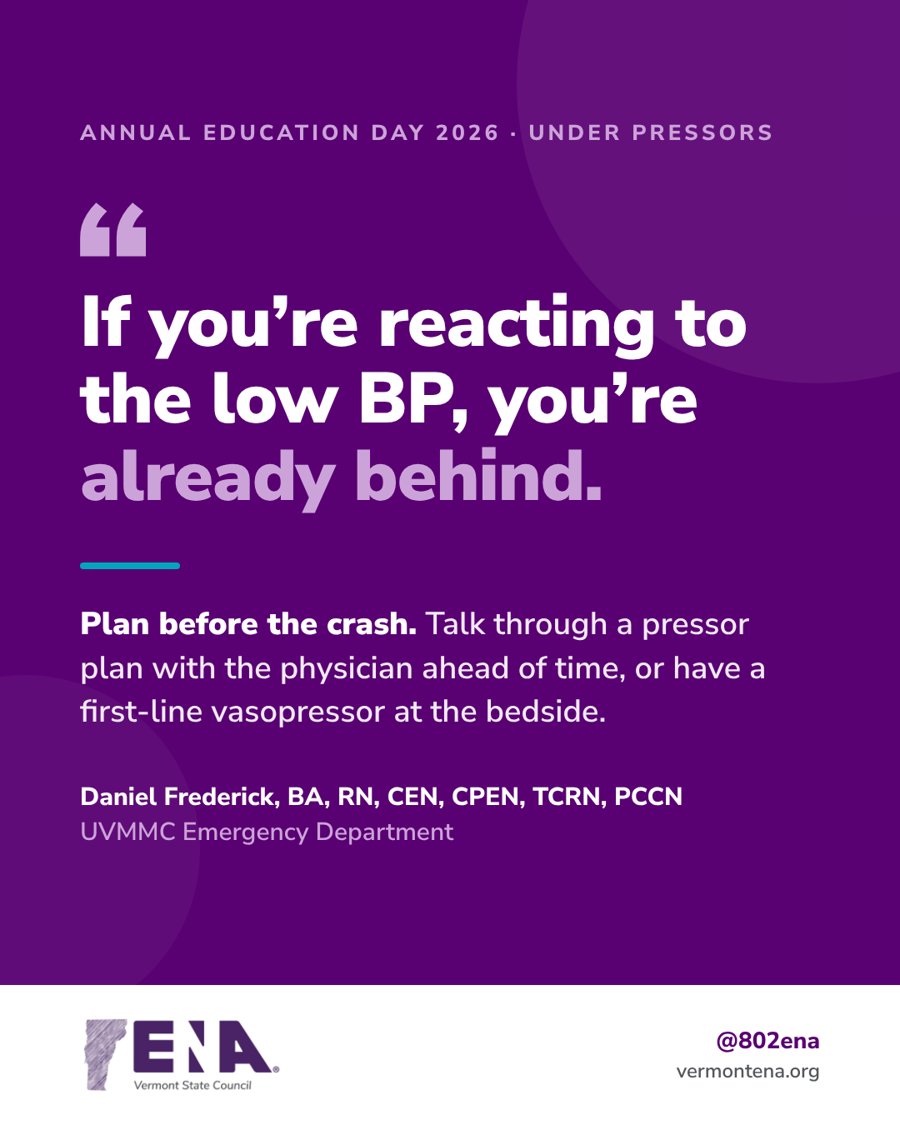
Quote card: If you’re reacting to the low BP, you’re already behind. Daniel Frederick, UVMMC Emergency Department
Skills station

Under Pressors: vasopressors

Daniel Frederick, BA, RN, CEN, CPEN, TCRN, PCCN
  • If you’re reacting to the low BP, you’re already behind. Be proactive, not reactive.
  • Plan before the crash. For shock, deep sedation, intubation, or a peri-code patient, talk through a pressor plan with the physician ahead of time, or have a first-line vasopressor at the bedside.
  • Own the titration. Know what you’re trying to fix (rate, squeeze, or vasodilation) and how to titrate safely.
  • Eyes on the prize. Trend the blood pressure closely, always including the MAP, and titrate to clear goals in order.

Follow your hospital’s titration policy.

What’s next

Keep learning with us

Spring TNCC and ENPC courses at UVMMC, and NERS 2027 in Stowe, April 22-23. Thank you to everyone who taught and volunteered. See you at Annual Education Day 2027!